

A modern food safety standard serves as a strategic tool for corporate security and performance. To fully understand its impact, businesses must analyze these regulations through three complementary dimensions.
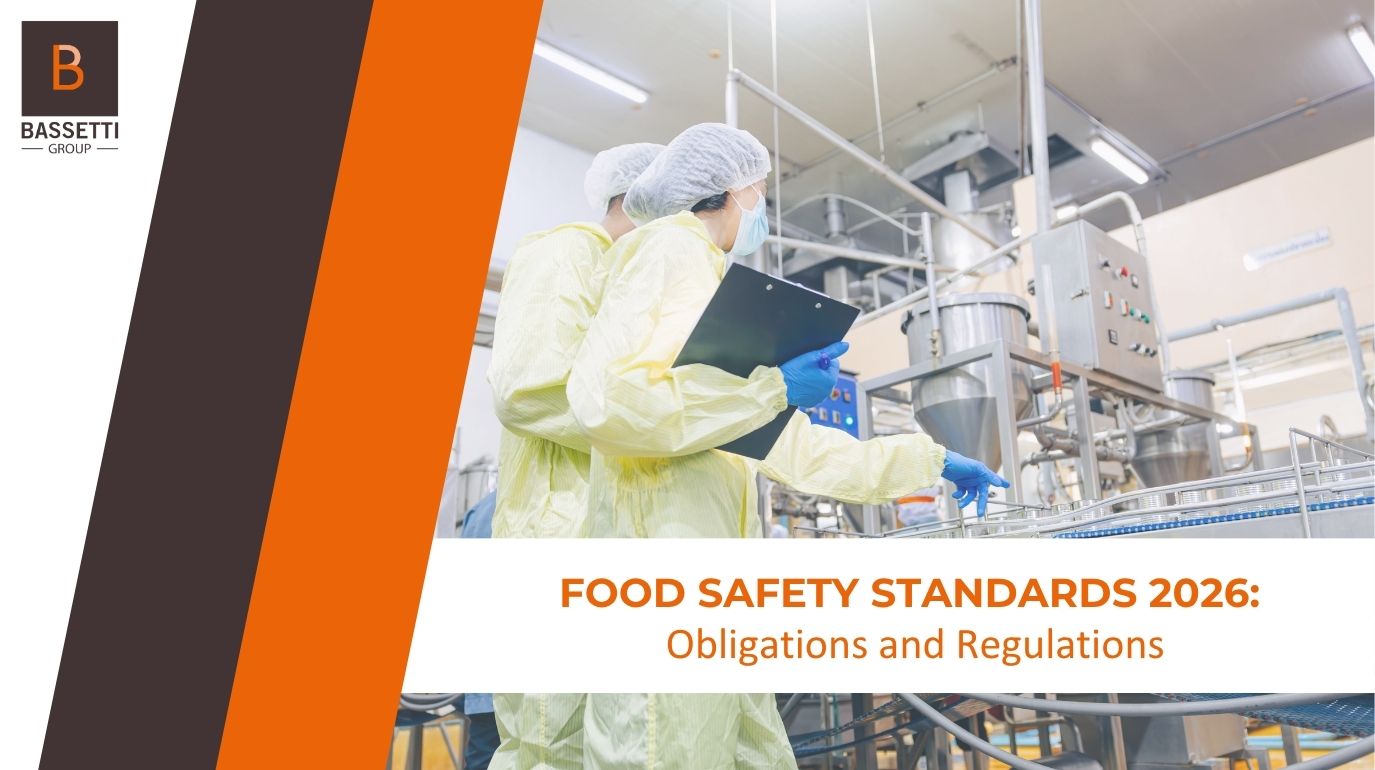
A food safety standard establishes a strategic reference framework and a collection of best practices. These guidelines safeguard consumer health and guarantee product authenticity. Rather than focusing on isolated requirements, the framework structures the entire value chain, including production, control, storage, and transport, to ensure a consistent level of quality.
By adopting these rigorous guidelines, companies transform their operational processes into a foundation of trust for clients and a shield against non-conformity risks. These standards frequently rely on the Codex Alimentarius. This international reference harmonizes global practices, protects public health, and facilitates smooth commercial trade between nations. Maintaining robust food safety compliance ensures that companies meet these global benchmarks seamlessly.
Compliance investments are often viewed as a financial burden. In reality, non-compliance generates much higher costs. From a financial perspective, a product withdrawal or recall quickly creates heavy expenses, including regulatory fines, inventory destruction, and complex recall logistics. Operating losses also accumulate rapidly during a crisis.
In contrast, the investments required for an audit or a official certification remain predictable and manageable. The most critical damage is often invisible in the short term, specifically the loss of corporate reputation. A health crisis or a severe quality incident permanently damages consumer trust and partner relationships, causing consequences that extend far beyond the initial event. Therefore, food safety compliance functions as a vital investment to protect the financial value and long-term viability of the company.
Food safety compliance relies on multiple types of requirements working together. Some elements are mandatory by law, while others remain voluntary, but every layer contributes to product quality, safety, and consumer trust. To understand how these levels articulate, organizations refer to a shared international scientific foundation that inspires regulations across the globe.
The Codex Alimentarius is a collection of international standards, guidelines, and codes of practice established to protect consumer health and ensure fair practices in the food trade. Developed jointly by the Food and Agriculture Organization of the United Nations and the World Health Organization, these standards serve as the technical reference for national regulatory systems. The Codex Alimentarius forms a universal basis for public safety, defining the fundamental principles that feed into national laws, voluntary frameworks, and commercial distribution standards.
Before pursuing high performance or market expansion, food sector operators must satisfy legal requirements regarding food safety compliance. This baseline is mandatory to operate without risking legal sanctions or operational shutdowns.
Sanitary regulations impose strict microbiological and chemical criteria to safeguard public health. The HACCP (Hazard Analysis Critical Control Point) method provides a structured system for hazard analysis and critical control point management. This method is built directly on Codex principles and is integrated into most national legislations. Without these mandatory obligations, business activity is illegal.
Beyond the legal minimum, many organizations choose to demonstrate their technical expertise through internationally recognized voluntary certifications. These steps validate analytical precision and structure laboratory practices around hygiene, quality, and data reliability.
To maintain these strict benchmarks, integrating a TEEXMA LIMS software solution automates standard tracking and simplifies daily operations.
Voluntary certifications frequently become mandatory criteria for entering premium markets, collaborating with large retailers, or expanding internationally. They help establish an efficient management system focused on quality.
Rising demands for transparency, traceability, and high quality mean that conventional management approaches are no longer sufficient. Manual tracking hinders efficiency when faced with tightening HACCP requirements and ISO 22000 standards. Digitalization in the agrifood sector is a direct driver of corporate profitability and market competitiveness.
Food companies manage a growing volume of information, including quality documentation, production monitoring data, and regulatory compliance records. Organizations must also react instantly during a non-conformity event or a product recall.
Conventional methods like paper or basic spreadsheets compromise data traceability, increase human errors, and slow down response times. Paper methods create static, inert records that are rarely utilized. Digital solutions generate dynamic data that provides instant alerts, ensures secure traceability, and facilitates rapid decision-making. This digital transition turns data into actionable intelligence for operational management.
A single failure in the food industry can lead to cold chain interruptions, product defects, or the total destruction of batches. Traditional systems handle these defects reactively, leading to financial losses and emergency crisis management.
Digital preventive maintenance shifts operations to a proactive strategy. Digital tools provide constant equipment monitoring, send automatic alerts for anomalies, and leverage historical archives to predict equipment failures. Preventing breakdowns directly protects inventory and secures company profit margins.
Digital transformation does not require complex, overwhelming projects. The most successful organizations digitalize their processes progressively, targeting high-risk areas first, such as HACCP logs or batch traceability.
Once these initial steps deliver a return on investment, digitalization expands to audits, preventive maintenance, and document control. This step-by-step improvement model solves one specific problem at a time to increase efficiency, traceability, and food safety compliance.
The shared culture of food safety is a regulatory requirement and a pillar of industrial performance. Because human error represents a primary operational risk, compliance must be practiced daily through an active Food Safety Management System (FSMS). A strong food safety culture ensures that paper procedures are translated into real-world actions on the factory floor.
The food industry historically relied on cold engineering and rigid written procedures. However, past safety crises proved that technical systems alone cannot prevent every failure.
In 2020, the Codex Alimentarius officially integrated food safety culture as a core requirement. Consequently, global audit frameworks like IFS, BRC, and FSSC 22000 now evaluate employee behavior alongside the sanitary control plan. Modern auditors require tangible proof of real commitment from both management and field teams.
Developing a strong culture is an investment that delivers immediate cash flow benefits by reducing emergency corrective actions. A team fully trained in HACCP principles commits fewer critical errors during dosing or cross-contamination phases, creating a reliable defense during official regulatory inspections.
Furthermore, trained operators develop a preventive reflex. Detecting an anomaly early in the production line saves the batch before contamination spreads, transforming personal vigilance into net financial savings.
In a highly competitive job market, achieving a successful certification audit demonstrates corporate seriousness and builds employee loyalty. Working under structured standards like ISO 17025 or ISO 22000 values technical professions and reduces operational stress. Stabilizing internal expertise reduces recruitment costs and secures critical company know-how.
Modern food safety compliance requirements should be viewed as strategic investments rather than administrative burdens. In an environment where traceability and security regulations are tightening, top-performing companies utilize digital tools to manage their workflows.
By replacing static workflows with real-time digital tracking, modern technology guarantees data integrity and secures reliable analytical results from initial testing to batch release. Embracing these digital tools protects operations, improves industrial performance, and reinforces long-term customer trust.